
A Table Tennis Blade is the most important part of a table tennis racket, as it directly influences speed, control, spin, and overall gameplay. While many beginners start with ready-made rackets, serious players eventually move toward custom rackets where the blade and rubbers are selected separately. The blade forms the base of the racket and determines how the ball reacts during contact. Choosing the right blade can significantly improve consistency, shot accuracy, and confidence on the table, making it essential for players of all skill levels to understand its characteristics.
What Is a Table Tennis Blade?
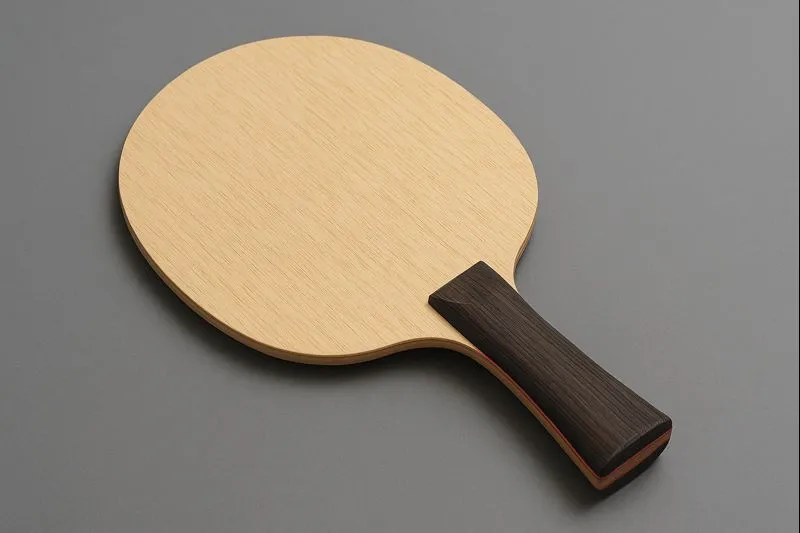
A Table Tennis Blade is the flat wooden or composite structure to which table tennis rubbers are attached. It is designed to provide the necessary balance between control, speed, and feel. Most blades are made using multiple layers of wood, commonly referred to as plies, which are glued together in a specific arrangement. The number and type of plies influence how the blade behaves during play.
Traditional blades are made entirely of wood, offering excellent touch and feedback, while modern blades often include synthetic materials such as carbon, arylate, or fiber layers. These additions enhance stiffness and speed while reducing unwanted vibrations. The blade’s surface plays a crucial role in determining how well the rubber grips the ball, which directly affects spin generation.
Construction and Design of a Table Tennis Blade
The construction of a Table Tennis Blade usually consists of five or seven plies, although variations exist. Five-ply blades tend to be softer and more flexible, making them suitable for control-oriented players. Seven-ply blades are generally stiffer and faster, offering more power during offensive play. Composite blades integrate carbon or fiber layers between wooden plies, increasing stability and enlarging the sweet spot for consistent shots
Best Table Tennis Blade: Understanding What “Best” Really Means
The term best Table Tennis Blade does not refer to a single product that suits everyone. Instead, it depends on a player’s skill level, playing style, and personal preference. For beginners, the best blade is one that provides control and forgiveness, allowing proper technique development. Intermediate players often seek a balance between speed and control, while advanced players prefer blades that enhance power and precision.
Selecting the best blade involves considering how it complements your strengths and minimizes weaknesses. A blade that feels comfortable in hand and responds predictably to shots is often more effective than a faster blade that sacrifices control.
Best Blade for Beginners
For beginners, a Table Tennis Blade with an all-wood construction is considered ideal. These blades offer better ball feel, allowing players to understand spin, placement, and timing more effectively. Since beginners are still mastering basic strokes, slower blades help reduce unforced errors and build confidence during rallies.
Best Blade for Intermediate Players
Intermediate players benefit from blades that provide a balanced combination of control and speed. At this stage, players start developing attacking techniques and require a blade that supports topspin shots while maintaining stability. Slightly faster blades help enhance performance without becoming too difficult to handle.
Best Blade for Advanced Players
Advanced players often prefer fast and stiff blades that support aggressive play. These players have refined technique and can handle the reduced dwell time that comes with faster blades. Many advanced players choose composite or carbon-based blades to gain an edge in speed and power during competitive matches.
Best Table Tennis Blades for Control
Control-focused Table Tennis Blades are designed to provide maximum consistency and precision. These blades absorb impact more effectively, making it easier to return fast shots and place the ball accurately. Players who prioritize control often rely on strategic placement rather than raw power, making these blades highly effective.
Such blades are commonly used by defensive players, all-round players, and beginners. The softer feel allows better touch during serves, pushes, blocks, and chops, which are essential elements of controlled gameplay.
Butterfly Table Tennis Blades and Their Popularity
Butterfly table tennis blades are highly regarded in the global table tennis community for their quality, innovation, and performance reliability. The brand offers a wide range of blades catering to beginners, intermediate players, and professional athletes. Butterfly’s reputation is built on precise craftsmanship and the use of advanced materials that enhance playing experience.
Many professional players trust Butterfly blades because of their consistent feel and durability. Whether it is an all-wood blade for control or a composite blade for speed, Butterfly provides options that meet diverse playing requirements.
Why Players Choose Butterfly Table Tennis Blades
Butterfly table tennis blades are known for their excellent balance and superior construction. They often incorporate advanced fiber technologies that enhance stability while maintaining good touch. This balance makes them suitable for competitive play, where consistency and performance under pressure are crucial.
Carbon Blade Table Tennis: Speed-Oriented Performance
A carbon blade table tennis racket includes one or more layers of carbon or composite material within the blade structure. These blades are designed for players who prioritize speed and power. Carbon layers make the blade stiffer, allowing faster ball rebound and more explosive shots.
Carbon blades also reduce vibrations, providing a cleaner and more stable feel during high-speed rallies. However, the increased speed can make them challenging to control, especially for beginners. As a result, carbon blades are generally recommended for intermediate to advanced players who have developed consistent technique.
Advantages of Carbon Blade Table Tennis Rackets
The primary advantage of carbon blades is their speed and stability. They provide a larger sweet spot, ensuring consistent performance even on off-center hits. This makes them ideal for offensive players who rely on fast topspin attacks and counter-hits.
Limitations of Carbon Blades
Despite their benefits, carbon blades offer less ball feel compared to all-wood blades. This reduced feedback can make delicate shots such as drop shots and short pushes more difficult. Players must have good control skills to use these blades effectively.
How to Choose Table Tennis Blade
Learning how to choose Table Tennis Blade correctly is essential for long-term improvement. The blade should match your playing style, physical comfort, and level of experience. A mismatch can hinder progress and lead to frustration during matches.
Offensive players should consider faster blades that support aggressive strokes, while defensive players should focus on blades that enhance control and touch. All-round players benefit from blades that offer balanced performance across different shot types.
Importance of Blade Speed and Control
Manufacturers often classify blades based on speed and control ratings. Beginners should lean toward blades with higher control ratings, while experienced players can manage faster blades that provide additional power.
Handle Type and Comfort
Handle comfort plays a crucial role in blade selection. Common handle types include flared, straight, and anatomic handles. Choosing a handle that fits comfortably in your hand improves grip stability and reduces fatigue during long matches.
How Long Do Table Tennis Blades Last?
A well-maintained Table Tennis Blade can last many years, often ranging from five to ten years or even longer. Unlike Table Tennis rubbers, blades do not wear out quickly and retain their performance if handled properly. The lifespan depends on usage frequency, playing intensity, and storage conditions.
Professional players who train daily may replace blades more frequently, while recreational players can use the same blade for an extended period without noticeable performance loss.
Signs That Indicate Blade Replacement
Visible cracks, warped surfaces, or deep structural damage indicate that a blade needs replacement. Minor surface wear is normal and usually does not affect performance significantly.
How to Clean Table Tennis Blade Properly
Knowing how to clean Table Tennis Blade correctly helps maintain its quality and performance. While blades do not require frequent cleaning like rubbers, they should be handled carefully, especially during rubber replacement.
When removing old rubbers, glue residue should be peeled off gently to avoid damaging the blade surface. Using water-based glue makes cleaning easier and safer. It is also advisable to protect the blade edges using edge tape to prevent chipping.
Storing the blade in a protective case and keeping it away from excessive moisture or heat further extends its lifespan.
Conclusion: Choosing the Right Blade for Your Game
The Table Tennis Blade is the backbone of every racket and plays a defining role in shaping playing style and performance. From control-oriented all-wood blades to high-speed carbon blade table tennis options, each blade offers unique benefits suited to different players.
Beginners should focus on control and feel, while advanced players can explore faster and stiffer blades for aggressive gameplay. Trusted brands like butterfly table tennis blades provide reliable options across all levels. With the right blade choice and proper care, players can enjoy consistent performance and long-term improvement in their table tennis journey.