
Table tennis, also known as ping-pong, is a fast and dynamic indoor sport played using lightweight rackets and a small ball. The game requires quick reflexes, sharp coordination, and strategic thinking. Its accessibility makes it extremely popular among all age groups. Whether you’re a casual player or a professional athlete, table tennis offers a blend of fun, skill, and physical activity. A major part of the game’s performance depends on the equipment you use, especially the table tennis rubber on your racket. The right rubber can enhance your speed, spin, and control, making every shot more effective.
Benefits of Table Tennis
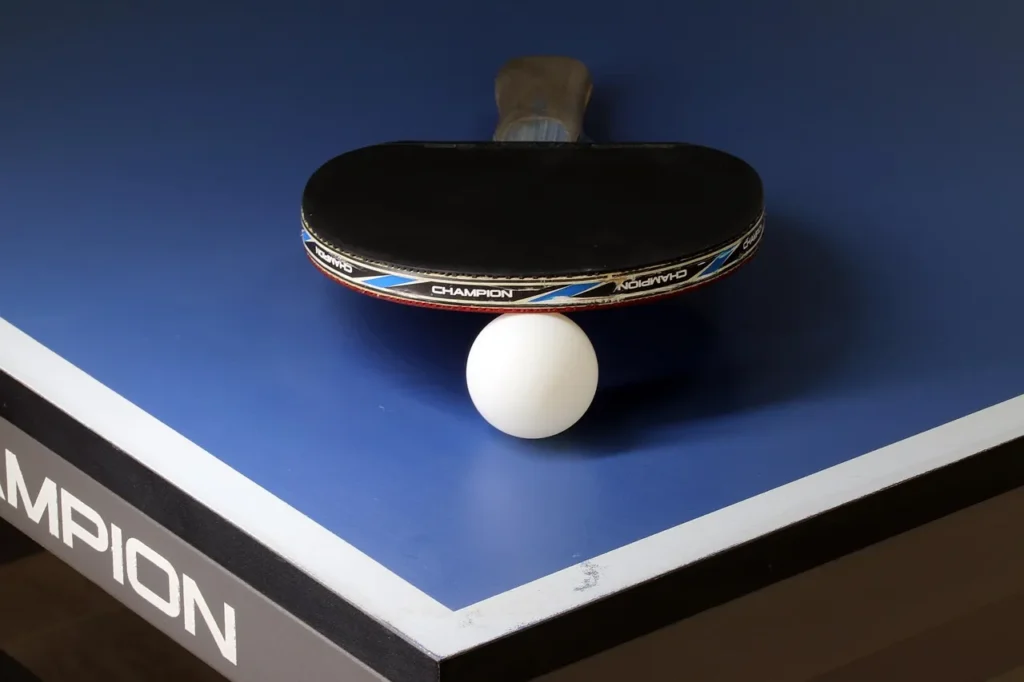
Table tennis provides a wide range of physical and mental benefits. Physically, it improves agility, speed, balance, and overall fitness as the continuous side-to-side motion strengthens the core and leg muscles. The sport also enhances hand-eye coordination due to the quick pace of the game. Mentally, it helps improve focus, concentration, and quick decision-making, as players must instantly analyze their opponent’s movement and the ball’s spin. Table tennis is also socially engaging, helping people build friendships, interact with others, and stay active regardless of age. With minimal risk of injury and low equipment requirements, table tennis is one of the most inclusive sports in the world.
What is a Table Tennis Racket?
A table tennis racket, often called a TT racket or table tennis bat, is made of a wooden blade covered with rubber on either side. The rubber is the most important element because it directly influences how the ball responds during play. A racket consists of the blade, the rubber sheet, the sponge layer beneath the rubber, and the handle. Each part plays a crucial role, but the table tennis bat rubber is the key component that determines the racket’s grip, spin, and control. A racket without the right TT bat rubber may feel slow or unresponsive, which is why choosing proper rubber is essential for players at all levels.
What Are the Different Types of Table Tennis Rubber?
Table tennis rubbers vary based on design, sponge thickness, characteristics, and playing style suitability. Inverted rubber, also known as smooth rubber, is the most common type used by beginners and professionals. It has a smooth surface that provides excellent grip and spin, making it ideal for offensive and all-round players. Another category is table tennis pimpled rubber, which includes short pips, medium pips, and long pips. Short pips have small, outward-facing pimples that offer speed and allow players to hit flatter shots with ease. Medium pips balance control and spin variation, making them suitable for disruptive playstyles. Long pips have longer outward pimples and are favored by defensive players because they produce unpredictable returns and help with chopping and blocking.
Anti-spin rubber is another type that has extremely low friction, which allows players to neutralize their opponent’s spin. This makes it perfect for defensive or strategic players who prefer controlling rallies. High-tension rubbers are designed with built-in tension to enhance speed and spin, making them suitable for advanced or attacking players. Apart from the surface, sponge thickness also affects performance. Thick sponges offer more speed and aggression, while thinner sponges provide better control and stability.
Anatomy of the Table Tennis Rubber
Understanding the structure of table tennis rubber helps players choose the right one based on their playing style. A typical rubber consists of three layers: the top sheet, the sponge, and the adhesive layer. The top sheet is the outermost surface that comes into direct contact with the ball. Its texture, grip, and friction level determine how much spin can be generated. Beneath the top sheet lies the sponge, which influences the racket’s overall speed and bounce. A thicker sponge generally creates faster shots, while a thinner sponge offers control. The adhesive layer is used to attach the rubber to the blade. Players use specialized glue for TT rubber to ensure the sheet stays firmly in place without damaging the blade. The combination of these layers, along with factors like density, hardness, and pimple structure (for pimpled rubbers), defines the rubber’s behavior during gameplay.
Choosing the Right Table Tennis Rubber
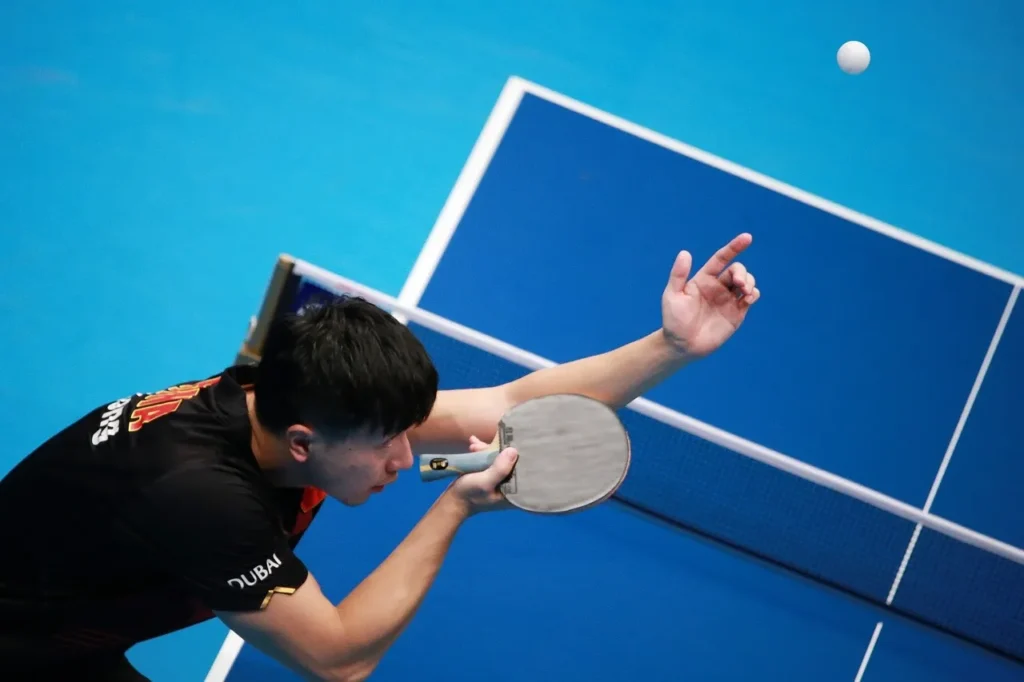
Selecting the correct table tennis rubber depends largely on your skill level, style, and playing preferences. Beginners should choose an all-round TT rubber that prioritizes control over speed. These rubbers help them learn proper technique without making costly mistakes. Intermediate players often prefer balanced rubbers that offer good spin and moderate speed, allowing them to develop more advanced shots. Advanced or professional players usually go for high-tension or offensive rubbers that maximize spin and power. Many professionals use different rubbers for their forehand and backhand to match specific needs of each stroke.
What Should We Consider While Choosing the Rubber?
There are several important factors to consider when choosing a table tennis racket rubber. The first is your playing style. Offensive players need fast and spin-oriented rubbers to execute powerful topspins and smashes. Defensive players, on the other hand, prefer anti-spin or long pimpled rubbers that help them return difficult shots and disrupt opponents. All-round players should choose rubbers with balanced characteristics to maintain versatility in their shots.
Rubber hardness is another critical factor. Softer rubbers offer greater control and are ideal for beginners. Medium-hard rubbers strike a balance between control and speed, while harder rubbers are preferred by advanced players who need power. Sponge thickness also plays a major role—thicker sponges generate more speed but reduce stability, while thinner sponges increase control but limit attacking potential.
The weight of the rubber matters too, as heavier rubbers may offer more stability but can feel tiring during long matches. The type of grip also affects your performance; tacky rubbers generate heavy spin, while non-tacky ones provide more consistent ball contact. Additionally, the rubber must complement your blade type, whether it’s offensive, all-wood, or carbon-based. Durability, brand reputation, and budget are other factors that should be considered. High-quality rubbers may be more expensive, but they typically offer long-lasting performance.
Which Are the Popular Brands?
Many international brands manufacture premium-quality tablet tennis racket rubber suitable for all types of players. Butterfly is one of the most renowned brands, known for its Tenergy and Dignics series that are widely used in professional competitions. Donic offers the Bluefire and Acuda series, which are popular among intermediate and advanced players. Yasaka’s Mark V rubber is a legendary option for beginners and all-round players due to its reliability and balanced performance. Stiga, Nittaku, Tibhar, Joola, and XIOM are also well-known brands producing high-performance TT racket rubber. Their products vary in tackiness, sponge density, hardness, and durability, allowing players to choose rubbers that align with their playing style.
Tips for Maintenance of the Rubber
Proper maintenance of table tennis rubber ensures long-lasting performance. The rubber must be cleaned regularly to maintain grip and remove dust or sweat that accumulates during play. A soft cloth or rubber cleaner can be used to wipe the surface gently. Protective sheets help preserve tackiness when the racket is not in use. Storing the racket in a protective case prevents damage from moisture or accidental scratches. It is important to keep the racket away from direct sunlight or excessive heat, as it can cause the rubber to harden and lose elasticity. Over time, even the best table tennis rubber will wear out and may need replacement once it loses grip or becomes too smooth. Using high-quality glue for TT rubber will also prevent peeling and ensure a secure and long-lasting bond to the blade.
Conclusion
Table tennis rubber plays a crucial role in shaping your performance by influencing spin, speed, and control. Whether you prefer inverted rubber for attacking, table tennis pimpled rubber for unpredictable shots, or anti-spin for defensive control, selecting the right TT rubber is key to improving your game. Understanding rubber types, sponge thickness, and playing style compatibility ensures your racket complements your technique. By maintaining the rubber properly and choosing trusted brands, players can enjoy consistent performance and extend the life of their TT bat rubber. With the right equipment, technique, and care, table tennis becomes even more enjoyable and skill-enhancing.